
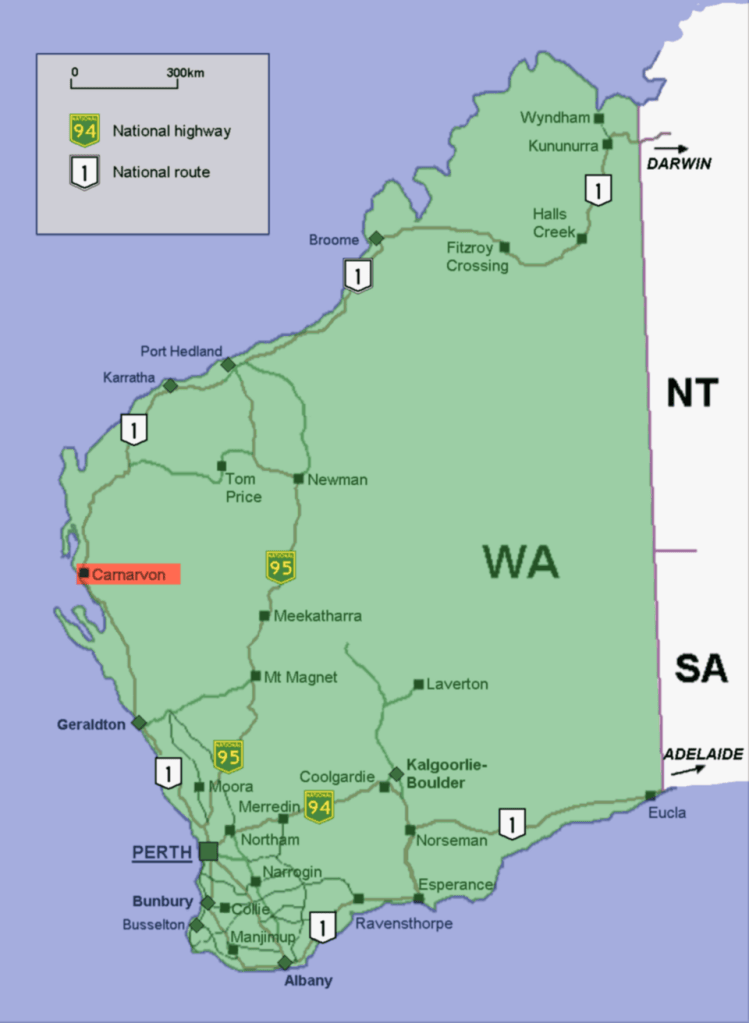
Bayungu country extends from Point Cloates, north of Carnarvon along the coast to Point Quobba, then stretches east to Manberry Station and north to Winning Pool Station. A major area of significance is Coral Bay and neighbouring Cardabia Station.
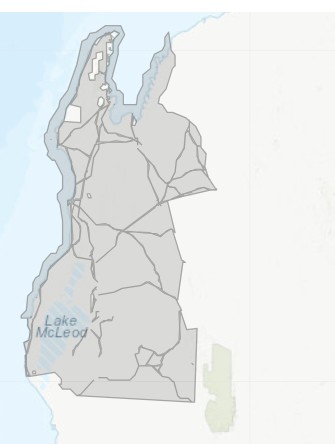
In 1997 ownership of Cardabia Station was purchased for the Baiyungu people, and in December 2019 a Native Title determination was handed down that assigned ownership to the Baiyungu Aboriginal Corporation . The station is 2,000 square kilometers and is now run as a pastoral property, with Baiyungu people working as managers. Cardabia has become the main place where people of Baiyungu heritage gather. Murlanda, or Maud’s Landing, was one of the main traditional meeting places where people from all neighbouring language groups came together. On 1st July 2020 the Baiyungu people signed a Joint Management Agreement with the Western Australian Parks and Wildlife Department to manage a new Coastal Reserve between Baiyungu land and the Ningaloo Marine Park.
There are many important places in Bayungu country and most of them have taken their English names from their names in the Bayungu language. Some of these places are:
| bunurrba | Boolara station |
| garamarda | Cordamuda Well |
| gulgilya | Coolkilya |
| gunjarrajaga | Mia Mia station |
| gunjayindiya | Cardabia station |
| jimarniny | Manberry station |
| jimarniny | Manberry station |
| malarribarndi | Wandagee station |
| midalya | Middalya station |
| milgin | Cardabia Pool |
| mithirriny | Lyons River |
| mugulu | Moogooloo Hill |
| murlanda | Maude landing |
| ngabariyarra | Gnabbarryarra |
| ngarrulhu | Gnaraloo |
| warrura | Warroora |
The Nganhurra Thanardi Garrbu Aboriginal Corporation RNTBC acts as trustee for the native title rights and interests of the Baiyungu and Thalanyji People, recognised in Peck on behalf Gnulli Native Title Claim Group v State of Western Australia [2019]. The determination, over the Ningaloo Coast, Western Australia, recognised exclusive and non-exclusive native title rights and interests.
The name of the language and people has been spelled various ways, including Baijungo, Paiunggu, Baiong, Baiung, Biong, Bajungu, Pajungu, Bayungu, and Baiyungu.
Linguistically, Bayungu is a member of the Kanyara group of languages and is related to Thalanyji, Burduna, and Binigura. It shares many words and grammatical structures with these other languages, as well as having its own unique characteristics. The following table shows some similarities and differences between the languages.
| English | Bayungu | Thalanyji | Burduna |
| ‘person’ | ganyara | ganyara | ganyara |
| ‘woman’ | nyanjil | wardirra | wardirra |
| ‘water’ | gayulu | gayulu | gayilu |
| ‘hand’ | jugayi | mara | mara |
| ‘foot’ | jugarra | jina | jina |
| ‘meat’ | murla | murla | buja |
| ‘went’ | bunima | buninha | buninyangu |
| ‘my’ | ngathangu | jurdi | ngayangu |
| ‘you’ | nyinda | nyinda | ngii |
Compare the following sentences which express an order and mean ‘You sit here in my camp!’
| Bayungu | nyinda nyinaya nyamu ngathangungura ngarraringura |
| Thalanyji | nyinda nyina nhamu jurdingga ngurrangga |
| Burduna | ngii nyina nyaa ngayangula ngarrarila |

